Sun Spots Treatment in Busan, Korea
Pigment Care at Seomyeon One Clinic
Sun spots treatment in Busan at Seomyeon One Clinic helps improve brown spots, dark patches, freckles, pigmentation, dullness, and uneven skin tone caused by UV exposure. Treatment options may include brightening lasers, pigment care, skin boosters, medical facials, hydration care, IV therapy, or combination programs depending on consultation findings. Located in Seomyeon, Busan, One Clinic provides convenient pigment care for local and international patients.
Sun spots treatment in Busan at Seomyeon One Clinic is designed for patients who want to improve brown spots, dark patches, freckles, pigmentation, uneven skin tone, dullness, and UV-related discoloration through personalized skin care. Sun spots often develop after repeated sun exposure and may become more noticeable with age, outdoor activity, travel, inadequate sun protection, hormonal changes, inflammation, and natural changes in skin renewal. At One Clinic, treatment begins with a detailed consultation to evaluate the type, depth, color, distribution, sensitivity, and cause of the pigmentation before recommending a customized plan. Depending on your skin condition, sun spot care may include brightening laser treatments, pigment-focused skin care, medical facials, skin boosters, hydration therapy, barrier-repair care, IV therapy, or combination programs to help the skin look clearer, brighter, smoother, and more even. Conveniently located in central Seomyeon, Busan, One Clinic welcomes both local residents and international patients seeking professional sun spot and pigmentation treatment in Korea.
What Are Sun Spots?
Sun spots are flat brown or dark spots that commonly appear on areas exposed to sunlight, such as the face, cheeks, forehead, nose, hands, arms, neck, and chest. They are usually related to long-term UV exposure and melanin accumulation in the skin.
Although sun spots are often harmless, they can make the skin look uneven, dull, aged, or less clear. A proper skin evaluation is important to distinguish sun spots from other pigmentation concerns.
What Causes Sun Spots?
Sun spots can develop gradually due to repeated UV exposure and skin aging. They may become darker or more noticeable over time if the skin continues to be exposed to sunlight without protection.
Common contributing factors include:
- Long-term sun exposure
- Inadequate sunscreen use
- Outdoor activities
- Skin aging
- UV-related melanin buildup
- Freckles or pigmentation tendency
- Inflammation or irritation
- Hormonal influence
- Poor skin turnover
- Previous sunburn history
Because pigmentation can exist at different depths in the skin, treatment should be selected carefully after consultation.
Personalized Sun Spots Treatment at One Clinic
At One Clinic, sun spot treatment is customized based on pigmentation type, skin tone, sensitivity, spot depth, and treatment goals. Some patients may need gentle brightening care, while others may benefit from laser treatments or combination programs for stronger pigment improvement.
The medical team evaluates whether the discoloration is sun spots, freckles, post-inflammatory pigmentation, melasma-like pigmentation, or mixed pigmentation before recommending the appropriate treatment approach.
Treatment Options for Sun Spots
Depending on your skin condition, One Clinic may recommend:
- Brightening laser treatments for sun spots and pigmentation
- Pigment-focused care for brown spots and discoloration
- Medical facials for dullness, hydration, and glow
- Skin boosters for hydration and skin quality
- Barrier-repair care for sensitive or irritated skin
- IV therapy for internal wellness and antioxidant support
- Combination programs for more even and radiant skin
The goal is to reduce visible discoloration while supporting overall skin health and preventing unnecessary irritation.
Sun Spots vs. Other Pigmentation
Not all brown spots are the same. Sun spots may look similar to freckles, melasma, post-acne pigmentation, or other forms of discoloration. Because each type of pigmentation responds differently, proper evaluation is important before treatment.
Using the wrong treatment approach may irritate the skin or make pigmentation appear darker, especially in sensitive or inflammation-prone skin.
Sun Spot Care for International Patients in Busan
One Clinic welcomes international patients who want sun spot treatment during their stay in Korea. Busan’s coastal environment, outdoor travel, summer humidity, and UV exposure can make pigmentation concerns more noticeable. Located in Seomyeon, One Clinic is easily accessible from Busanjin-gu, Haeundae, Nampo, Busan Station, and nearby areas.
Clinic Address
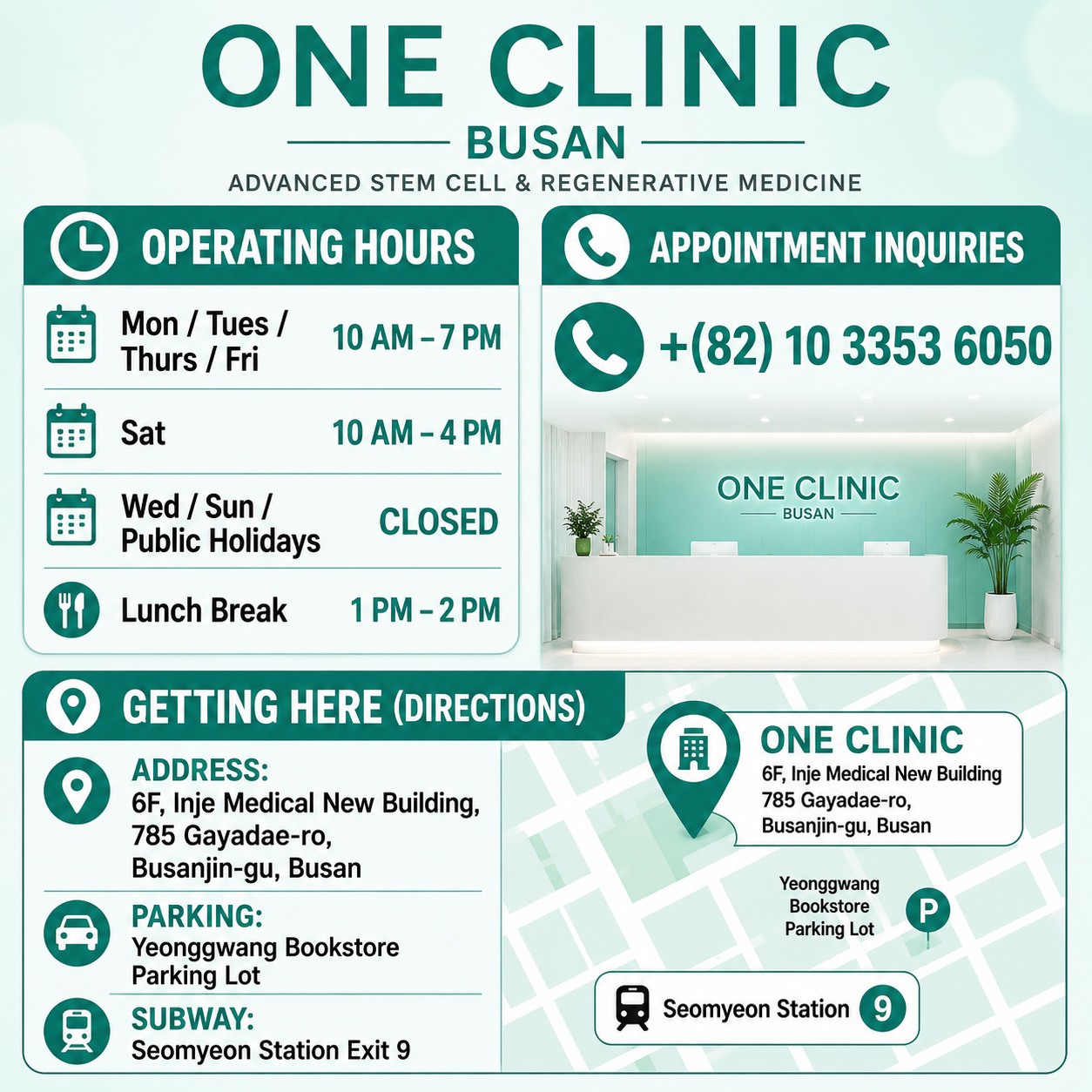
One Clinic
6F, Inje Medical New Building
785 Gayadae-ro, Busanjin-gu, Busan, Korea
Frequently Asked Questions
What is the best treatment for sun spots?
The best treatment for sun spots depends on the depth, size, color, distribution, and type of pigmentation. Some sun spots may respond well to brightening laser treatments, while others may require pigment-focused skin care, medical facials, skin boosters, or combination programs. At One Clinic, treatment is recommended after consultation to match your skin tone, sensitivity, and pigmentation pattern.
Can sun spots be completely removed?
Some sun spots may become significantly lighter with proper treatment, but results vary depending on pigmentation depth, skin type, UV exposure history, and aftercare. New sun spots can also develop if the skin continues to receive UV exposure, so daily sunscreen and maintenance care are important for long-term results.
Are sun spots the same as freckles or melasma?
No. Sun spots, freckles, and melasma can look similar but have different causes and treatment responses. Sun spots are often related to long-term UV exposure and aging, freckles are usually smaller and may be genetic or UV-related, and melasma is often more complex and may involve hormonal factors. A consultation helps identify the correct pigmentation type.
Can laser treatment help sun spots?
Yes. Laser treatment may help improve sun spots by targeting excess pigment and supporting clearer skin renewal. However, the most suitable laser depends on your skin tone, sensitivity, pigmentation depth, and downtime preference. Multiple sessions may be needed, and sun protection is essential after treatment.
Is sun spot treatment safe for sensitive skin?
Sun spot treatment can be safe for sensitive skin when carefully selected and adjusted. If the skin is irritated, dry, red, or barrier-damaged, calming and hydration-focused care may be recommended before stronger pigment or laser treatments. One Clinic evaluates your skin condition before recommending treatment.
How do I prevent sun spots from coming back?
Daily sunscreen use is the most important step. Wearing hats, avoiding strong midday sun, using protective clothing, and maintaining consistent skin care can help reduce the chance of new sun spots forming. After pigment treatment, the skin may be more sensitive to UV exposure, so sun protection is especially important.