Dry & Dehydrated Skin Treatment
in Busan, Korea
Hydration Careat Seomyeon One Clinic
Dry and dehydrated skin treatment in Busan at Seomyeon One Clinic helps improve tightness, flakiness, rough texture, dullness, fine dehydration lines, redness, sensitivity, and weakened skin barrier symptoms. Treatment options may include hydration therapy, barrier-repair care, calming medical facials, skin boosters, IV therapy, and combination programs depending on consultation findings. Located in Seomyeon, Busan, One Clinic provides convenient hydration care for local and international patients.
Dry and dehydrated skin treatment in Busan at Seomyeon One Clinic is designed for patients who want to improve tightness, flakiness, rough texture, dullness, fine dehydration lines, redness, sensitivity, weakened skin barrier, and uncomfortable dry skin through personalized hydration and skin-repair care. Dry skin can be related to low oil production, aging, climate changes, harsh cleansing, over-exfoliation, sun exposure, skincare irritation, eczema-prone skin, and barrier damage, while dehydrated skin is often caused by a lack of water inside the skin and can affect even oily or acne-prone skin. At One Clinic, consultation begins with a detailed evaluation of your hydration level, dryness pattern, skin barrier condition, sensitivity, redness, texture, lifestyle triggers, product history, and treatment goals before recommending a customized plan. Depending on your condition, dry and dehydrated skin care may include hydration therapy, barrier-repair treatments, calming medical facials, skin boosters, IV therapy, gentle laser or brightening care when suitable, and combination programs to help the skin feel softer, smoother, calmer, and more comfortable. Conveniently located in central Seomyeon, Busan, One Clinic welcomes both local residents and international patients seeking professional hydration-focused skin treatment in Korea.
What Is Dry and Dehydrated Skin?
Dry skin and dehydrated skin are often used together, but they are not exactly the same. Dry skin usually lacks oil, while dehydrated skin lacks water. Some patients have both, while others may have oily skin that still feels tight or dehydrated underneath.
Both conditions can make the skin feel uncomfortable, dull, rough, sensitive, or less resilient.
Common Signs of Dry and Dehydrated Skin
Dry and dehydrated skin may include:
- Tightness after cleansing
- Flaky or peeling skin
- Rough texture
- Dullness and lack of glow
- Fine dehydration lines
- Redness or sensitivity
- Itching or discomfort
- Makeup sitting unevenly
- Weak skin barrier
- Burning or stinging after skincare
- Enlarged-looking pores from dehydration
- Increased irritation after travel or weather changes
If dryness is severe, recurring, painful, cracked, or associated with rash-like symptoms, medical evaluation is recommended.
What Causes Dry and Dehydrated Skin?
Dryness and dehydration can develop from both internal and external factors.
Common causes include:
- Cold or dry weather
- Hot showers or frequent washing
- Harsh cleansers
- Over-exfoliation
- Strong active skincare ingredients
- Sun exposure
- Aging-related skin changes
- Eczema-prone or sensitive skin
- Low water content in the skin
- Barrier damage
- Travel fatigue and long flights
- Stress and lack of sleep
- Air conditioning or heated indoor environments
Because dryness can overlap with sensitivity, eczema, redness, and irritation, treatment should be selected carefully.
Personalized Hydration Treatment at One Clinic
At One Clinic, dry and dehydrated skin treatment is customized based on your skin barrier, hydration level, sensitivity, and symptoms. If the skin is irritated or red, calming and barrier-repair care may be recommended first. If the skin is dull, rough, or showing fine dehydration lines, skin boosters, hydration therapy, medical facials, or IV therapy may be recommended.
The goal is to restore comfort, improve hydration, support barrier recovery, and help the skin look healthier and more refreshed.
Treatment Options for Dry and Dehydrated Skin
Depending on your skin condition, One Clinic may recommend:
- Hydration therapy for tight and dehydrated skin
- Barrier-repair care for weakened or irritated skin
- Calming medical facials for redness and sensitivity
- Skin boosters for hydration and skin quality
- IV therapy for internal hydration and wellness support
- Gentle brightening care for dullness when suitable
- Combination programs for long-term moisture balance
- Customized maintenance care for recurring dryness
Treatment is selected to improve hydration without causing unnecessary irritation.
Dry Skin vs. Dehydrated Skin
Dry skin usually means the skin lacks oil and may feel flaky, rough, or tight. Dehydrated skin means the skin lacks water and may look dull, feel tight, or show fine lines even when the surface is oily. Understanding the difference is important because overusing oil-control products or harsh exfoliants can worsen dehydration.
A consultation helps determine whether your skin needs more moisture, barrier repair, hydration support, or a combination plan.
Hydration Care for International Patients in Busan
One Clinic welcomes international patients who want hydration-focused skin care during their stay in Korea. Long flights, hotel dryness, climate changes, sunscreen use, outdoor travel, air conditioning, and sleep disruption can make dryness and dehydration more noticeable. Located in Seomyeon, One Clinic is easily accessible from Busanjin-gu, Haeundae, Nampo, Busan Station, and nearby areas.
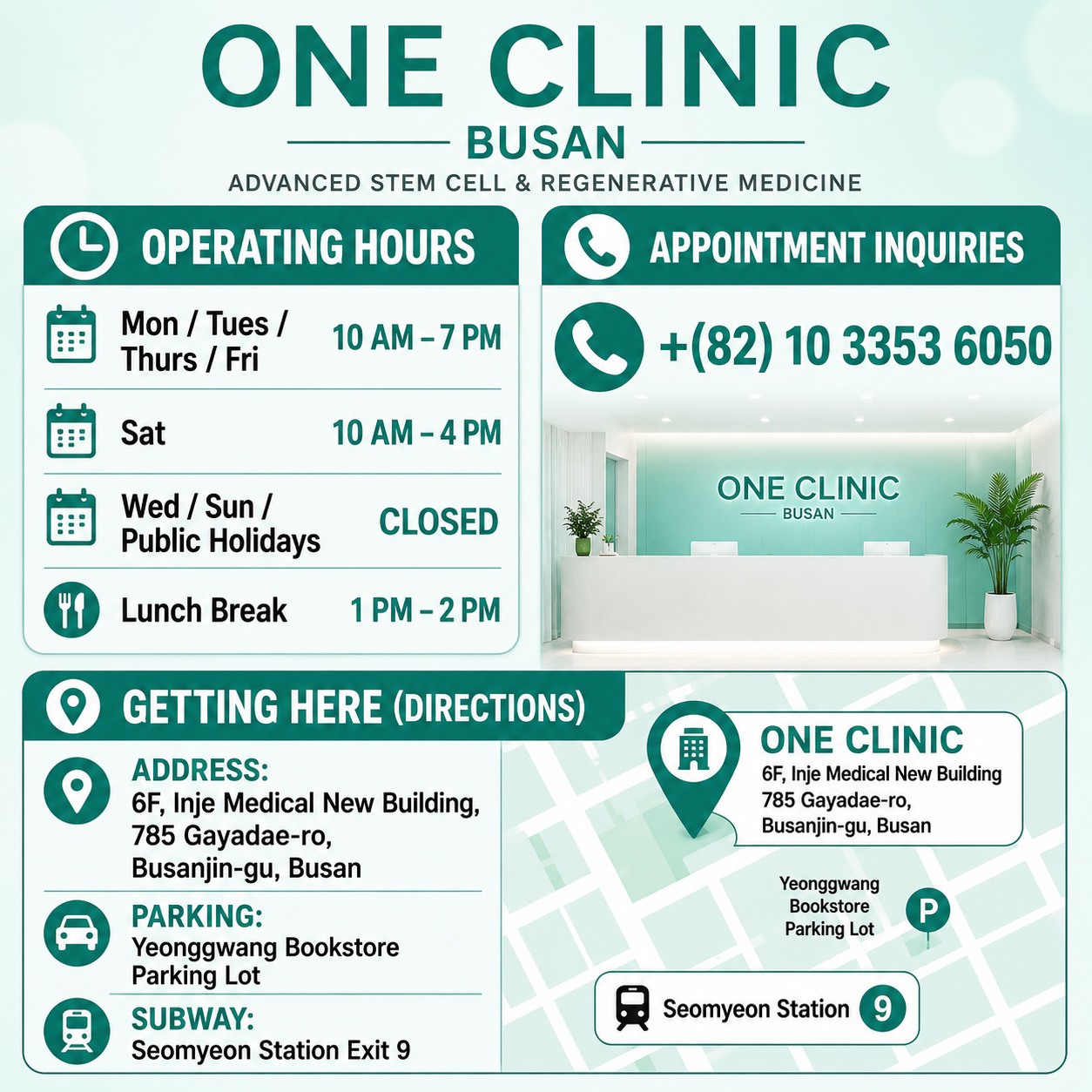
Clinic Address
One Clinic
6F, Inje Medical New Building
785 Gayadae-ro, Busanjin-gu, Busan, Korea
Frequently Asked Questions
What is the best treatment for dry and dehydrated skin?
The best treatment depends on whether the skin lacks oil, water, barrier strength, or all three. Hydration therapy, barrier-repair care, calming medical facials, skin boosters, and IV therapy may be recommended depending on the cause. If the skin is irritated or sensitive, gentle calming care may be performed first before stronger aesthetic treatments are considered.
Can oily skin still be dehydrated?
Yes. Oily skin can still be dehydrated if it lacks water. In this case, the skin may look shiny but still feel tight, rough, or uncomfortable. Over-cleansing, harsh acne products, strong exfoliation, travel, and weather changes can make oily dehydrated skin worse. Hydration and barrier-repair care may help balance the skin without making it feel greasy.
How quickly can dry skin improve?
Some patients notice softer, calmer, and more hydrated-looking skin after one treatment, especially when dryness is related to travel, temporary dehydration, or barrier weakness. However, recurring dryness, sensitivity, fine lines, or long-term barrier damage may require multiple sessions and a consistent maintenance routine.
Is dry skin treatment suitable for sensitive skin?
Yes. Dry skin treatment is often very suitable for sensitive skin when carefully selected. If the skin is red, stinging, itchy, or irritated, calming hydration and barrier-repair treatments may be recommended first. One Clinic evaluates skin sensitivity before creating a personalized care plan.
Can IV therapy help dehydrated skin?
IV therapy may support dehydrated skin by helping with internal hydration, wellness, nutrient replenishment, and fatigue recovery. It may be especially helpful for patients who feel dehydrated after travel, long flights, stress, or lack of sleep. For stronger visible skin improvement, IV therapy may be combined with medical facials, skin boosters, or hydration treatments.
How can I prevent dry and dehydrated skin from returning?
To help prevent dryness and dehydration from returning, use gentle cleansers, avoid over-exfoliation, apply moisturizer consistently, use sunscreen daily, avoid hot water, and maintain regular hydration-focused care. Patients with recurring dryness may benefit from maintenance treatments such as medical facials, skin boosters, IV therapy, or barrier-repair programs recommended after consultation.