Skin Tag Removal in Busan, Korea
Smooth Skin Treatment at Seomyeon One Clinic
Skin Tag Removal at Seomyeon One Clinic in Busan is a customized minor skin procedure designed to remove small, soft skin growths from areas such as the neck, face, underarms, eyelids, and body folds. Treatment may involve laser removal, cautery, or other medical techniques depending on the size, location, and number of skin tags. One Clinic provides personalized skin tag removal for local and international patients seeking smoother, cleaner-looking skin in Korea.
Remove Unwanted Skin Tags Safely and Precisely
Skin Tag Removal in Busan, Korea at Seomyeon One Clinic is a customized minor skin treatment designed for patients who want to remove small, soft, benign-looking skin growths that commonly appear on the neck, face, eyelids, underarms, chest, groin, or body folds. Skin tags can be harmless, but they may become bothersome when they catch on clothing, jewelry, razors, or makeup. They may also make the skin look less smooth, especially when multiple skin tags appear around visible areas such as the neck or face.
At Seomyeon One Clinic, skin tag removal is planned according to the size, number, location, depth, and appearance of the skin tags. Because some skin growths can resemble moles, warts, seborrheic keratoses, or other lesions, the area should be evaluated before removal. The goal is to remove unwanted skin tags as precisely as possible while minimizing irritation, unnecessary damage to surrounding skin, and visible marks. Depending on the case, treatment may include laser removal, cautery, cutting, or another suitable medical method.
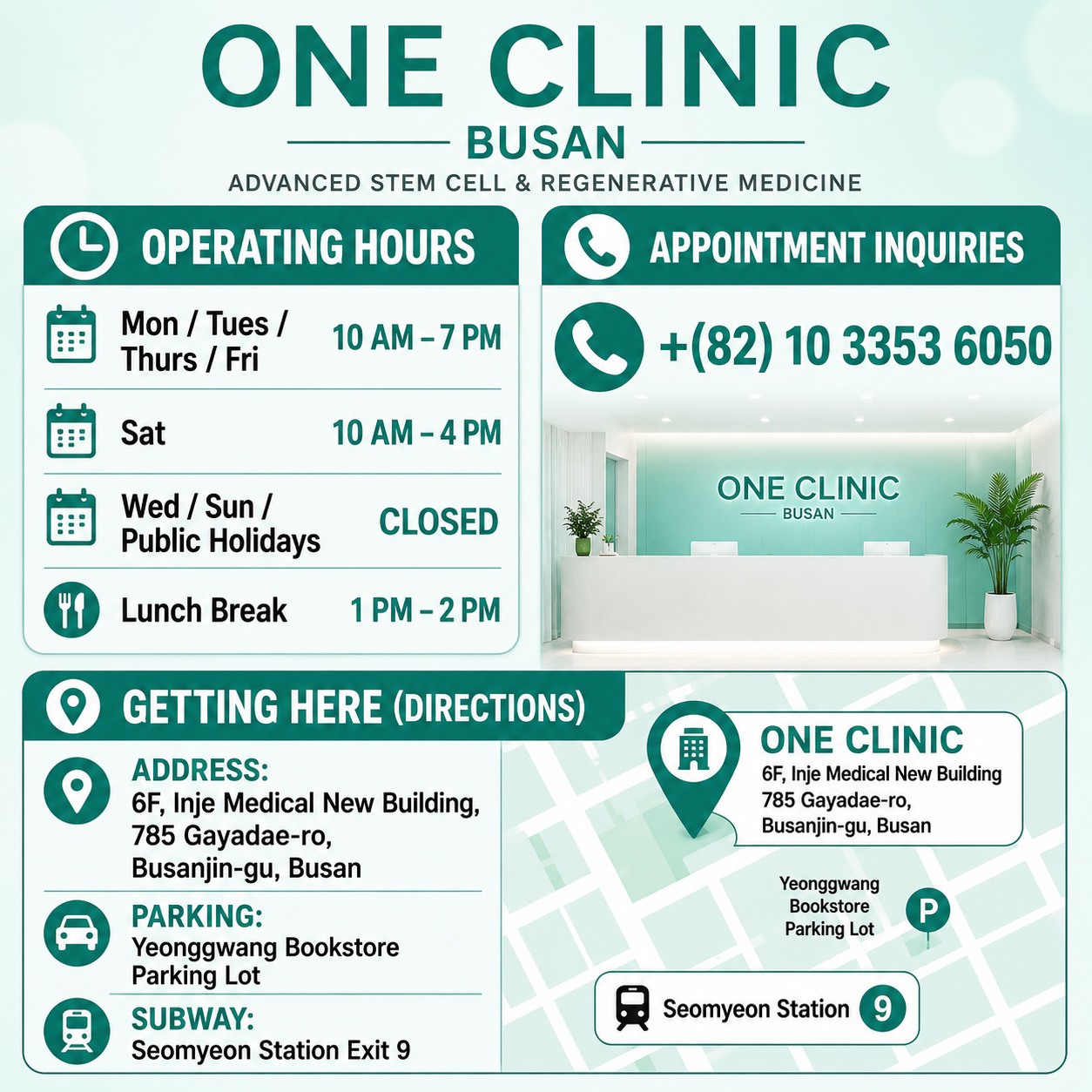
Conveniently located at 6F, Inje Medical New Building, 785 Gayadae-ro, Busanjin-gu, Busan, Seomyeon One Clinic provides foreigner-friendly consultation and personalized skin tag removal for both local and international patients seeking professional minor skin treatment in Korea.
What Are Skin Tags?
Skin tags are small, soft, flesh-colored or slightly darker growths that hang from the skin. They often appear in areas where skin rubs against skin, clothing, or accessories. Common areas include the neck, eyelids, underarms, chest, groin folds, and under the breasts.
Most skin tags are benign and not dangerous, but they can be cosmetically bothersome or physically irritating. Since other skin lesions can sometimes look similar, medical evaluation is recommended before removal, especially if the growth changes quickly, bleeds, becomes painful, or looks unusual.
What Areas Can Skin Tag Removal Treat?
Skin tag removal may be performed on many areas of the face and body, depending on the size and location of the lesion.
Common treatment areas include:
- Neck
- Face
- Eyelids
- Underarms
- Chest
- Back
- Groin area
- Body folds
- Under the breasts
- Around the collar line
- Areas irritated by clothing or jewelry
Treatment is customized carefully for delicate areas such as the eyelids, face, and neck.
How Does Skin Tag Removal Work?
Skin tag removal works by precisely removing or destroying the unwanted growth while protecting the surrounding skin as much as possible. Depending on the skin tag’s size and location, the doctor may recommend laser removal, cautery, snipping, or another minor medical technique.
Small skin tags can often be treated quickly, while larger or multiple skin tags may require more detailed treatment planning. After removal, the treated area gradually heals, and aftercare is important to reduce irritation, pigmentation, or visible marks.
Benefits of Professional Skin Tag Removal
Professional skin tag removal can improve both comfort and skin appearance.
Potential benefits include:
- Smoother-looking skin
- Removal of bothersome skin growths
- Less irritation from clothing or jewelry
- Cleaner appearance around the neck or face
- Quick minor procedure
- Customized technique based on location
- Precise treatment for delicate areas
- Reduced risk compared with at-home removal
- Minimal downtime for most small skin tags
- Professional evaluation before treatment
Many patients choose skin tag removal because it is a simple way to improve skin smoothness and reduce daily irritation.
Is Skin Tag Removal Right for You?
Skin tag removal may be suitable if you have small, soft skin growths that bother you cosmetically or physically. It may be especially helpful if skin tags catch on necklaces, collars, makeup, razors, or clothing, or if they appear in visible areas such as the neck or face.
However, not every skin growth should be removed without evaluation. If a lesion is dark, bleeding, painful, rapidly growing, irregular, inflamed, or uncertain in diagnosis, the doctor may recommend a different approach or additional medical evaluation before removal.
Skin Tags vs Moles, Warts, and Other Growths
Skin tags can sometimes be mistaken for moles, warts, seborrheic keratoses, or other skin lesions. Skin tags are usually soft and attached by a small stalk, while warts may have a rougher surface, and moles may contain deeper pigment cells. Seborrheic keratoses may appear raised, brown, or waxy.
Because different lesions require different treatment methods, professional assessment helps ensure the correct diagnosis and safer removal planning.
Combine Skin Tag Removal with Other Skin Treatments
Skin tag removal can sometimes be combined with other minor skin or aesthetic treatments depending on the patient’s skin condition and treatment area.
Combination care may include:
- Mole evaluation
- Wart treatment
- Seborrheic keratosis removal
- Laser spot care
- Skin brightening treatment
- Redness care
- Medical facials
- Post-removal calming care
At Seomyeon One Clinic, combination plans are selected carefully to avoid unnecessary irritation and support smoother healing.
Recovery and Aftercare After Skin Tag Removal
Recovery depends on the size, number, location, and removal method. Small treated areas may form tiny scabs that naturally fall off as the skin heals. Temporary redness, tenderness, swelling, mild crusting, or post-treatment pigmentation may occur.
Patients are usually advised to keep the area clean, avoid picking scabs, avoid strong sun exposure, avoid harsh skincare products on the treated area, and use sunscreen when the area is exposed. Proper aftercare is important to reduce the risk of marks or discoloration, especially on the face and neck.
Why Choose Seomyeon One Clinic for Skin Tag Removal in Busan?
At Seomyeon One Clinic, skin tag removal is customized according to each patient’s skin tag size, location, number, skin sensitivity, and cosmetic goals. The clinic focuses on precise removal, careful evaluation, and supportive aftercare for smoother healing.
With personalized consultation, experienced healthcare professionals, advanced minor skin treatment options, and foreigner-friendly services, Seomyeon One Clinic provides comprehensive skin tag removal care for patients seeking safe and professional treatment in Busan.
Frequently Asked Questions
What is skin tag removal?
Skin tag removal is a minor skin procedure that removes small, soft, benign-looking skin growths from areas such as the neck, face, eyelids, underarms, chest, or body folds. Treatment may involve laser, cautery, snipping, or another medical method depending on the lesion.
Who is a good candidate for skin tag removal?
Good candidates include patients with small skin tags that are cosmetically bothersome, irritated by clothing or jewelry, caught during shaving, or located in visible areas such as the neck or face. A consultation helps confirm whether the growth is a skin tag.
Are skin tags dangerous?
Most skin tags are benign and not dangerous. However, any growth that changes quickly, bleeds, becomes painful, looks irregular, or has uncertain features should be evaluated before removal to rule out other skin conditions.
How are skin tags removed?
Skin tags may be removed using laser, cautery, snipping, or other medical techniques. The best method depends on the skin tag’s size, location, depth, and number. Delicate areas such as the eyelids and face require especially careful treatment.
Is skin tag removal painful?
Most skin tag removal treatments are well tolerated. Patients may feel mild stinging, heat, or pressure depending on the method used. Numbing or comfort measures may be used when needed, especially for sensitive areas.
Is there downtime after skin tag removal?
Downtime is usually minimal for small skin tags. Temporary redness, tenderness, swelling, crusting, or small scabs may occur after treatment. The area heals gradually, and patients should avoid picking or irritating the treated skin.
Will skin tag removal leave scars?
The risk of visible marks depends on the size, location, removal method, skin type, and aftercare. Small skin tags usually heal well, but temporary redness or pigmentation may occur. Proper aftercare helps reduce the risk of scarring or discoloration.
Can skin tags come back after removal?
A removed skin tag usually does not grow back in the exact same spot, but new skin tags may develop in nearby areas over time, especially in areas with friction or genetic tendency.
Can I remove skin tags at home?
At-home removal is not recommended because it can cause bleeding, infection, scarring, incomplete removal, or accidental treatment of a lesion that is not actually a skin tag. Professional evaluation and removal are safer.
Why choose Seomyeon One Clinic for skin tag removal?
Seomyeon One Clinic provides customized skin tag removal based on lesion size, location, number, and skin sensitivity. The clinic focuses on careful evaluation, precise treatment, and supportive aftercare for both local and international patients.