Chemical Peels in Busan, Korea
Skin Renewal & Texture Care at
Seomyeon One Clinic
Chemical Peels at Seomyeon One Clinic in Busan are customized skin renewal treatments designed to improve dullness, rough texture, clogged pores, acne marks, pigmentation, uneven tone, and overall skin clarity. By using carefully selected peeling solutions, chemical peels help remove damaged surface skin cells and support healthier skin turnover. One Clinic provides personalized chemical peel treatments for local and international patients seeking smoother, brighter, and healthier-looking skin in Korea.
Renew Dull, Rough, and Congested Skin with Customized Peeling Care
Chemical Peels in Busan, Korea at Seomyeon One Clinic are customized skin resurfacing treatments designed for patients who want to improve dull skin, rough texture, clogged pores, uneven tone, acne marks, pigmentation, excess oil, and overall skin radiance without surgery. A chemical peel uses a carefully selected peeling solution to exfoliate damaged surface skin cells, encourage healthier skin renewal, and reveal a smoother, brighter complexion over time.
At Seomyeon One Clinic, chemical peel treatment is not performed as a one-size-fits-all facial. The peel type, strength, depth, and treatment interval are selected according to the patient’s skin type, sensitivity, acne activity, pigmentation pattern, hydration level, and skin barrier condition. The goal is to improve skin clarity and texture while minimizing unnecessary irritation, especially for patients with sensitive or reactive skin.
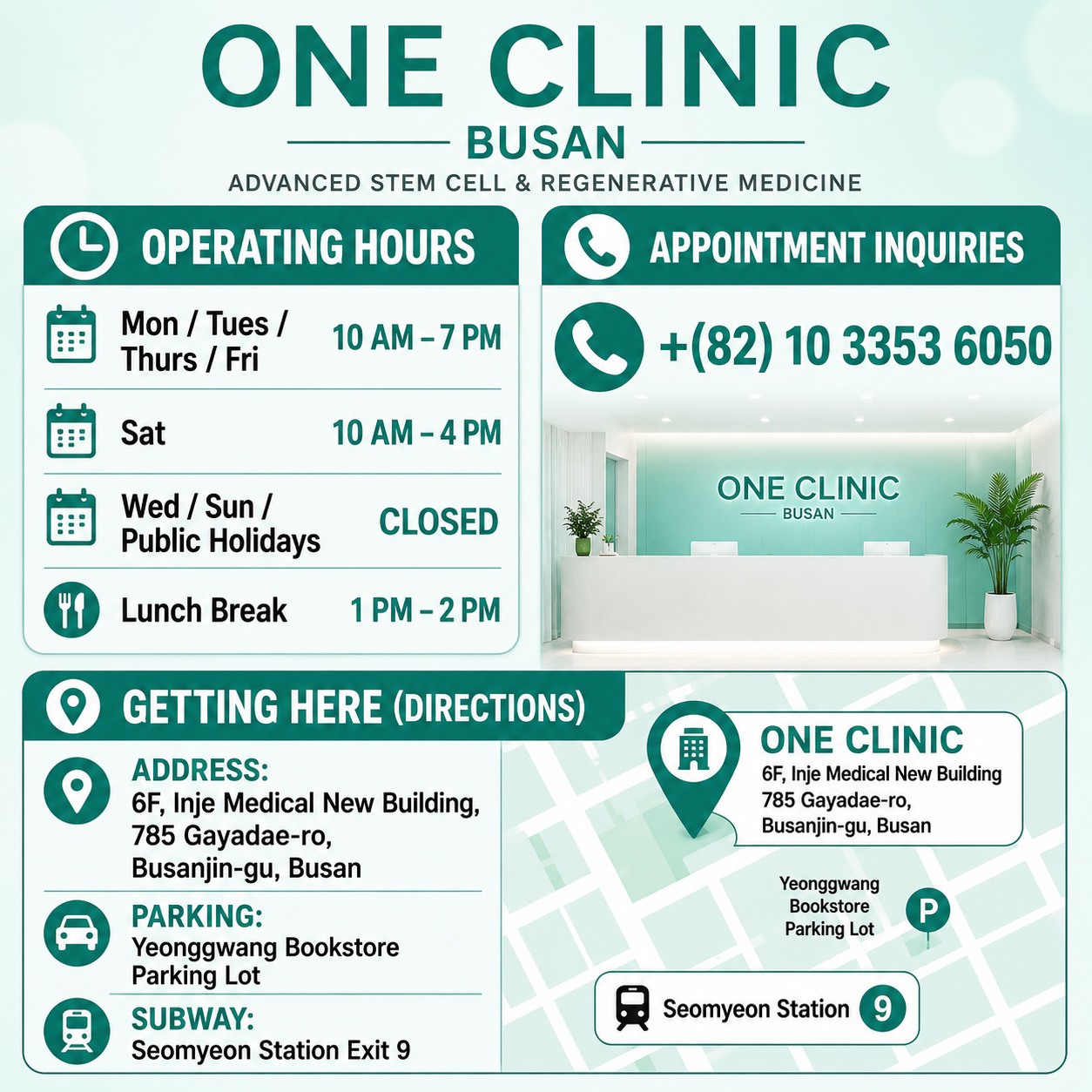
Conveniently located at 6F, Inje Medical New Building, 785 Gayadae-ro, Busanjin-gu, Busan, Seomyeon One Clinic provides foreigner-friendly consultation and personalized chemical peel care for both local and international patients seeking professional skin rejuvenation in Korea.
What Are Chemical Peels?
Chemical peels are professional skin treatments that use exfoliating acids or peeling solutions to remove dead skin cells and stimulate skin renewal. Depending on the peel type and depth, chemical peels may improve skin smoothness, brightness, pigmentation, acne congestion, pore appearance, and overall texture.
Unlike harsh physical scrubs, professional chemical peels are selected based on the skin condition and treatment goal. This allows more controlled exfoliation and helps improve skin quality safely when performed under proper medical guidance.
What Skin Concerns Can Chemical Peels Improve?
Chemical peels may help improve several common skin concerns, including:
- Dull complexion
- Rough skin texture
- Uneven skin tone
- Clogged pores
- Blackheads
- Whiteheads
- Excess sebum
- Mild acne-prone skin
- Brown acne marks
- Post-inflammatory pigmentation
- Sun damage
- Fine surface lines
- Dry or flaky skin buildup
- Reduced skin radiance
The treatment plan is customized depending on whether the main concern is acne, pigmentation, dullness, texture, or overall skin renewal.
How Do Chemical Peels Work?
Chemical peels work by loosening and removing old, damaged, or dead skin cells from the surface layers of the skin. This exfoliation process encourages natural cell turnover, allowing fresher and healthier skin cells to come forward.
Depending on the peel used, treatment may also help reduce pore congestion, regulate excess oil, improve brightness, soften rough texture, and support a clearer complexion. Some peels are gentle and hydration-focused, while others are stronger and target acne, pigmentation, or more visible texture concerns.
Benefits of Chemical Peels
Customized chemical peels can improve both the appearance and overall health of the skin.
Potential benefits include:
- Smoother skin texture
- Brighter complexion
- Improved skin turnover
- Reduced clogged pores
- Less surface roughness
- Improved acne marks
- More even skin tone
- Reduced excess oil buildup
- Improved skincare absorption
- Fresher overall appearance
- Customizable treatment strength
- Minimal to moderate downtime depending on peel type
Many patients choose chemical peels as part of a regular skin maintenance program or before events when they want clearer, brighter, and smoother-looking skin.
Are Chemical Peels Right for You?
Chemical peels may be suitable if your skin looks dull, rough, congested, uneven, oily, acne-prone, or affected by mild pigmentation or acne marks. They can also be helpful for patients whose skincare products do not absorb well because of dead skin buildup.
However, not every skin type should receive the same peel. Patients with active irritation, severe sensitivity, damaged skin barrier, recent strong laser treatment, or certain skin conditions may need calming or barrier repair first. During consultation, One Clinic evaluates your skin condition to determine the safest peel type and strength.
Light Peels vs Stronger Peels
Chemical peels can range from gentle superficial peels to stronger resurfacing treatments. Light peels are often used for dullness, mild congestion, hydration support, and regular maintenance. Stronger peels may be recommended for acne marks, deeper congestion, thicker dead skin buildup, or more noticeable texture concerns.
At Seomyeon One Clinic, the peel intensity is selected carefully to match your skin tolerance and goals. A gradual approach is often better for sensitive skin or pigmentation-prone skin, as overly aggressive peeling can sometimes cause irritation or post-inflammatory discoloration.
Combine Chemical Peels with Other Skin Treatments
Chemical peels can be combined with other skin rejuvenation treatments when appropriate.
Combination care may include:
- Aquapeel
- Medical facials
- LED therapy
- Skin boosters
- Acne care
- Pigmentation treatment
- Laser toning
- Calming care
- Hydration therapy
- Barrier repair programs
Combination treatments are planned according to your skin condition and recovery needs. For sensitive skin, calming and hydration support may be recommended before or after peeling.
Recovery and Aftercare After Chemical Peels
Recovery depends on the type and strength of the peel. Gentle peels may cause little to no visible peeling, while stronger peels may cause temporary redness, dryness, tightness, flaking, or mild peeling for several days.
After treatment, patients are usually advised to avoid strong sun exposure, sauna, alcohol, intense exercise, exfoliating products, retinoids, harsh skincare, and picking at flaking skin. Sunscreen, hydration, and gentle skincare are essential after chemical peels to protect the skin and maintain results.
Why Choose Seomyeon One Clinic for Chemical Peels in Busan?
At Seomyeon One Clinic, chemical peel treatments are customized according to each patient’s skin type, sensitivity, acne condition, pigmentation pattern, hydration level, and skin barrier health. The clinic focuses on safe skin renewal and natural radiance rather than aggressive peeling that may irritate the skin.
With personalized consultation, advanced medical skincare options, experienced healthcare professionals, and foreigner-friendly services, Seomyeon One Clinic provides comprehensive chemical peel care for patients seeking smoother, clearer, and brighter skin in Busan.
Frequently Asked Questions
What are chemical peels?
Chemical peels are professional skin treatments that use exfoliating solutions to remove dead skin cells, improve skin turnover, and reveal smoother, brighter, and clearer-looking skin. They can be customized for concerns such as dullness, rough texture, clogged pores, acne marks, pigmentation, and uneven tone.
Who is a good candidate for chemical peels?
Good candidates include patients with dull skin, rough texture, clogged pores, blackheads, whiteheads, excess oil, mild acne-prone skin, acne marks, uneven tone, or dead skin buildup. A consultation helps determine which peel type and strength are appropriate.
What skin concerns can chemical peels improve?
Chemical peels may improve dullness, rough texture, clogged pores, blackheads, whiteheads, excess sebum, acne marks, post-inflammatory pigmentation, sun damage, uneven tone, fine surface lines, and overall skin radiance.
Are chemical peels painful?
Most light chemical peels are well tolerated. Patients may feel mild tingling, warmth, or temporary stinging during treatment depending on the peel type and strength. The treatment is adjusted according to skin sensitivity and tolerance.
Is there downtime after chemical peels?
Downtime depends on the peel strength. Gentle peels may have little to no downtime, while stronger peels may cause temporary redness, dryness, tightness, flaking, or visible peeling for several days.
How many chemical peel sessions are needed?
The number of sessions depends on skin concern, peel type, skin sensitivity, and desired result. Some patients notice improvement after one session, while acne marks, pigmentation, congestion, or texture concerns may require multiple sessions.
Can chemical peels help acne-prone skin?
Yes. Chemical peels may help acne-prone skin by reducing dead skin buildup, unclogging pores, controlling excess oil, and improving post-acne marks. If acne is actively inflamed, acne control may be recommended together with peeling care.
Can chemical peels help pigmentation?
Chemical peels may help improve mild pigmentation, acne marks, dullness, and uneven tone by encouraging skin turnover. Deeper pigmentation or melasma-like discoloration may require a more gradual combination plan with laser toning or brightening treatments.
Can chemical peels be combined with other treatments?
Yes. Chemical peels can be combined with Aquapeel, medical facials, LED therapy, skin boosters, acne care, pigmentation treatment, laser toning, calming care, hydration therapy, or barrier repair programs depending on skin condition.
Why choose Seomyeon One Clinic for chemical peels?
Seomyeon One Clinic provides customized chemical peel treatments based on skin type, sensitivity, acne activity, pigmentation pattern, hydration, and skin barrier condition. The clinic focuses on safe skin renewal, smoother texture, and natural brightness for both local and international patients.