Post-Inflammatory Erythema in Busan, Korea Red Acne Mark Care at Seomyeon One Clinic
Post-inflammatory erythema treatment in Busan at Seomyeon One Clinic helps improve red acne marks, lingering redness, sensitive skin, post-breakout discoloration, and uneven tone. Treatment options may include redness-focused lasers, calming care, barrier repair, acne management, hydration treatments, medical facials, skin boosters, IV therapy, or combination programs depending on consultation findings. Located in Seomyeon, Busan, One Clinic provides convenient PIE and red acne mark care for local and international patients.
Post-inflammatory erythema treatment in Busan at Seomyeon One Clinic is designed for patients who want to improve red acne marks, lingering redness, post-breakout discoloration, sensitive skin, uneven tone, and visible inflammation-related skin changes through personalized skin care. Post-inflammatory erythema, often called PIE, commonly appears after acne, irritation, or inflammation and can look like pink, red, or purple marks that remain even after active breakouts have healed. At One Clinic, consultation begins with a detailed evaluation of your redness pattern, acne history, skin sensitivity, inflammation level, barrier condition, pigmentation, texture, and treatment goals before recommending a customized plan. Depending on your condition, PIE care may include redness-focused laser treatment, calming skin care, barrier-repair therapy, acne management, hydration treatments, medical facials, skin boosters, IV therapy, or combination programs to help the skin look calmer, clearer, and more even. Conveniently located in central Seomyeon, Busan, One Clinic welcomes both local residents and international patients seeking professional red acne mark and sensitive skin treatment in Korea.
What Is Post-Inflammatory Erythema?
Post-inflammatory erythema is a type of redness that remains after acne, irritation, or inflammation. Unlike brown pigmentation, PIE is usually related to visible changes in small blood vessels and inflammation under the skin.
It may appear as pink, red, or purplish marks, especially on lighter or sensitive skin types, although it can affect many different skin tones.
What Causes Post-Inflammatory Erythema?
PIE can develop when inflammation affects the skin after acne or irritation. Even after the pimple itself improves, redness may remain for weeks or months depending on skin sensitivity and healing response.
Common causes include:
- Inflamed acne
- Picking or squeezing pimples
- Skin irritation
- Damaged skin barrier
- Sensitive skin
- Harsh skincare products
- Over-exfoliation
- Heat and sun exposure
- Post-treatment inflammation
- Slow skin recovery after breakouts
Because PIE is different from brown pigmentation, treatment should be selected carefully.
Personalized PIE Treatment at One Clinic
At One Clinic, post-inflammatory erythema treatment is customized based on your acne history, redness severity, skin sensitivity, and barrier condition. Some patients need calming and barrier-repair care first, while others may benefit from redness-focused laser treatment or combination skin programs.
The goal is to reduce visible redness while protecting sensitive skin and preventing new inflammation from creating additional marks.
Treatment Options for Post-Inflammatory Erythema
Depending on your skin condition, One Clinic may recommend:
- Redness-focused laser treatments
- Calming medical facials
- Barrier-repair care
- Acne management for active breakouts
- Hydration treatments for sensitive skin
- Skin boosters for skin quality and recovery
- IV therapy for internal wellness support
- Combination programs for clearer and calmer skin
Treatment is selected carefully to avoid worsening redness or irritation.
PIE vs. Post-Inflammatory Hyperpigmentation
Post-inflammatory erythema and post-inflammatory hyperpigmentation are not the same. PIE usually appears red, pink, or purple and is often related to inflammation and vascular changes. Post-inflammatory hyperpigmentation usually appears brown or dark and is related to melanin.
Many patients have both red and brown acne marks, so consultation is important before choosing treatment.
PIE Care for International Patients in Busan
One Clinic welcomes international patients who want red acne mark treatment during their stay in Korea. Travel, sun exposure, stress, sleep changes, and climate differences can sometimes worsen redness or sensitivity. Located in Seomyeon, One Clinic is easily accessible from Busanjin-gu, Haeundae, Nampo, Busan Station, and nearby areas.
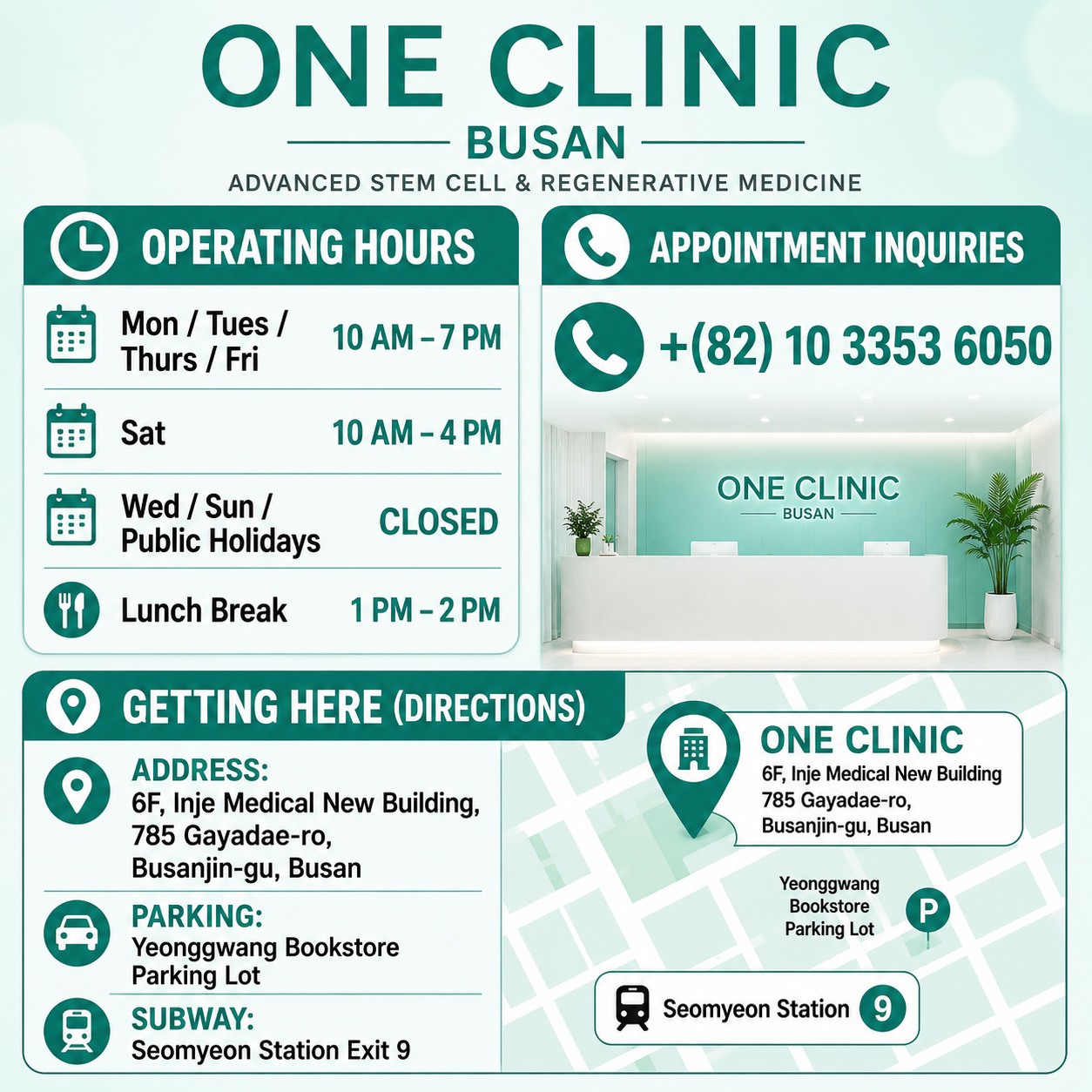
Clinic Address
One Clinic
6F, Inje Medical New Building
785 Gayadae-ro, Busanjin-gu, Busan, Korea
Frequently Asked Questions
What is the best treatment for post-inflammatory erythema?
The best treatment for post-inflammatory erythema depends on the severity of redness, acne activity, skin sensitivity, and barrier condition. Redness-focused laser treatments may help visible red marks, while calming facials, hydration care, acne management, and barrier-repair treatments may be recommended for sensitive or irritated skin. At One Clinic, treatment is customized after consultation.
Is post-inflammatory erythema the same as acne scars?
No. Post-inflammatory erythema is not the same as depressed acne scarring. PIE refers to red, pink, or purple discoloration left after inflammation, while acne scars usually involve texture changes such as indentations or raised areas. However, some patients may have both redness and texture concerns, requiring a combination treatment plan.
Can post-inflammatory erythema fade on its own?
PIE may fade naturally over time, but it can take weeks to months depending on skin type, inflammation level, sun exposure, and how well the skin barrier recovers. Professional treatment may help support faster visible improvement, especially when redness is persistent or combined with acne, sensitivity, or uneven skin tone.
Can laser treatment help red acne marks?
Yes. Redness-focused laser treatments may help improve red acne marks by targeting visible redness and supporting calmer skin appearance. The most suitable laser depends on your skin tone, sensitivity, acne activity, redness severity, and downtime preference. Multiple sessions may be needed for more noticeable improvement.
What makes post-inflammatory erythema worse?
PIE may worsen with picking, squeezing pimples, harsh exfoliation, irritating skincare, heat, sun exposure, active acne, and weak skin barrier function. Using gentle skincare and daily sunscreen can help protect the skin while it heals.
Is PIE treatment suitable for sensitive skin?
Yes, PIE treatment can be suitable for sensitive skin when carefully selected. If the skin is red, dry, irritated, or barrier-damaged, calming hydration and barrier-repair care may be recommended before stronger laser or active treatments. One Clinic evaluates skin sensitivity during consultation to create a safer treatment plan.