Keloid Scar Treatment in Busan, Korea
Raised Scar Care at Seomyeon One Clinic
Keloid Scar Treatment at Seomyeon One Clinic in Busan is a customized scar management program designed to improve raised, thick, itchy, painful, or cosmetically bothersome keloid scars. Treatment may include steroid injections, laser care, scar flattening programs, redness management, silicone support, or combination scar therapy depending on the scar’s size, location, thickness, and activity. One Clinic provides personalized keloid scar treatment for local and international patients seeking smoother, calmer, and more comfortable skin in Korea.
Improve Raised, Thick, and Irritated Keloid Scars with Customized Care
Keloid Scar Treatment in Busan, Korea at Seomyeon One Clinic is a personalized scar management program designed for patients who want to improve raised scars, thick scar tissue, redness, itching, tenderness, tightness, discomfort, and cosmetic concerns caused by keloids. Keloids are overgrown scars that develop when the skin produces excess collagen after injury, acne, surgery, piercing, burns, injections, or other skin trauma. Unlike ordinary scars, keloids may grow beyond the original wound area and can become firm, raised, dark, red, itchy, painful, or emotionally distressing.
At Seomyeon One Clinic, keloid scar treatment is planned according to the scar’s size, thickness, color, location, duration, symptoms, growth activity, and the patient’s skin type. Because keloids can be persistent and may recur after simple removal, treatment usually requires a careful and gradual approach rather than aggressive cutting alone. Depending on the case, treatment may include steroid injections, laser therapy, redness treatment, scar-flattening programs, silicone-based support, calming care, or combination scar management to reduce thickness, improve comfort, and create a smoother-looking scar over time.
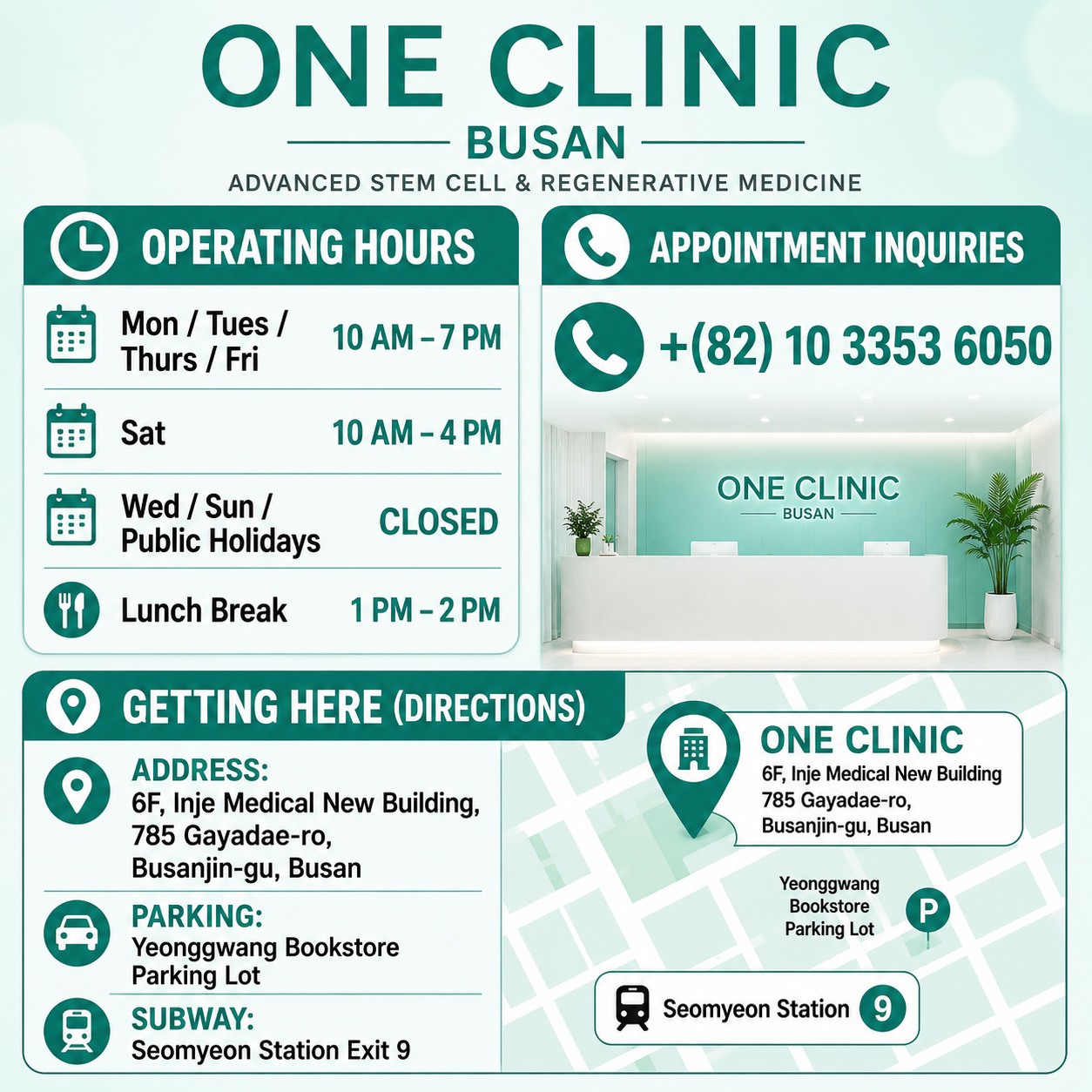
Conveniently located at 6F, Inje Medical New Building, 785 Gayadae-ro, Busanjin-gu, Busan, Seomyeon One Clinic provides foreigner-friendly consultation and customized keloid scar treatment for both local and international patients seeking professional scar care in Korea.
What Is a Keloid Scar?
A keloid scar is a raised scar caused by excessive collagen production during the healing process. Unlike normal scars that usually remain within the original wound border, keloids can grow larger than the initial injury and may continue to thicken over time.
Keloids commonly appear after acne, ear piercing, surgery, burns, cuts, injections, or skin irritation. They are often found on the chest, shoulders, jawline, earlobes, upper back, neck, and areas where the skin is under tension. While keloids are not usually dangerous, they can cause itching, pain, tightness, and cosmetic discomfort.
What Causes Keloid Scars?
Keloids can form when the skin’s healing process becomes overactive and produces too much collagen. Some people are more prone to keloid formation due to genetics, skin type, age, and the location of the injury.
Common causes and triggers may include:
- Acne inflammation
- Ear piercing
- Surgical incisions
- Burns
- Cuts or wounds
- Vaccination or injection sites
- Skin picking
- Ingrown hairs
- Body piercings
- Tattoos
- Inflammation or infection
- Repeated friction or tension on the skin
Because keloid-prone skin can react strongly to trauma, treatment should be planned carefully to avoid worsening the scar.
What Can Keloid Scar Treatment Improve?
Keloid scar treatment may help improve several concerns, including:
- Raised scar thickness
- Firm scar tissue
- Itching
- Tenderness or pain
- Redness
- Darkened scar color
- Scar tightness
- Cosmetic visibility
- Scar growth activity
- Discomfort from friction
- Keloids after acne
- Keloids after piercing
- Keloids after surgery or injury
The treatment plan is customized based on the scar’s condition and whether it is actively growing, inflamed, painful, or stable.
How Does Keloid Scar Treatment Work?
Keloid scar treatment works by reducing excessive scar activity, flattening raised tissue, calming inflammation, and improving scar color or texture. Steroid injections may be used to soften and flatten thick scars by reducing excess collagen activity. Laser treatment may help improve redness, pigmentation, or texture depending on the scar type. Silicone support or pressure care may be recommended to help reduce irritation and support long-term scar control.
At Seomyeon One Clinic, the treatment method is selected after careful scar evaluation. Since keloids may recur or react unpredictably, a combination approach is often more effective than relying on one treatment alone.
Benefits of Professional Keloid Scar Treatment
A customized keloid scar treatment program can improve both appearance and comfort.
Potential benefits include:
- Flatter-looking scar
- Softer scar texture
- Reduced itching
- Less tenderness or pain
- Improved redness
- Improved scar color
- Reduced scar tightness
- Better comfort with clothing or accessories
- More refined skin appearance
- Lower risk of irritation from improper care
- Customized treatment for scar location
- Long-term scar management support
Many patients seek keloid treatment not only for cosmetic improvement, but also to reduce discomfort and prevent the scar from becoming more bothersome.
Is Keloid Scar Treatment Right for You?
Keloid scar treatment may be suitable if you have a raised, thick, itchy, painful, red, dark, or expanding scar. It may also be appropriate if you have keloids from acne, piercings, surgery, burns, cuts, or previous skin treatments.
Patients should avoid trying to remove keloids at home, cutting them, or irritating them with harsh products, as trauma may make keloids worse. During consultation, One Clinic evaluates the scar carefully to determine whether injection therapy, laser care, or combination scar management is most appropriate.
Keloid Scars vs Hypertrophic Scars
Keloid scars and hypertrophic scars are both raised scars, but they behave differently. Hypertrophic scars usually stay within the border of the original wound and may improve gradually over time. Keloids can grow beyond the original wound area and may continue to enlarge, thicken, or become symptomatic.
Because keloids have a higher tendency to recur, treatment planning should be more cautious and long-term compared with ordinary raised scars.
Combine Keloid Scar Treatment with Other Skin Programs
Keloid scar treatment may be combined with supportive scar and skin programs depending on the scar condition.
Combination care may include:
- Steroid injections
- Redness-focused laser treatment
- Pigmentation treatment
- Scar texture care
- Silicone gel or sheet support
- Calming care
- Post-acne scar management
- Medical skincare guidance
- Follow-up scar monitoring
Combination treatment is selected carefully to avoid unnecessary trauma to keloid-prone skin.
Recovery and Aftercare After Keloid Scar Treatment
Recovery depends on the treatment method used. After steroid injections, the treated area may feel tender, swollen, or slightly sore temporarily. After laser treatment, redness, warmth, mild swelling, or sensitivity may occur. Patients should avoid scratching, picking, rubbing, or applying harsh products to the scar.
Long-term aftercare is important because keloids may recur or become active again. Sunscreen, silicone support, pressure care when appropriate, and follow-up treatments may be recommended depending on the scar location and response.
Why Choose Seomyeon One Clinic for Keloid Scar Treatment in Busan?
At Seomyeon One Clinic, keloid scar treatment is customized according to each patient’s scar type, size, location, thickness, symptoms, skin type, and recurrence risk. The clinic focuses on careful scar management, gradual improvement, and supportive aftercare rather than aggressive treatment that may worsen keloid-prone skin.
With personalized consultation, experienced healthcare professionals, advanced scar treatment options, and foreigner-friendly services, Seomyeon One Clinic provides comprehensive keloid scar care for patients seeking smoother, calmer, and more comfortable skin in Busan.
Frequently Asked Questions
What is a keloid scar?
A keloid scar is an overgrown raised scar caused by excessive collagen production during healing. Unlike normal scars, keloids can grow beyond the original wound area and may become thick, firm, red, dark, itchy, painful, or cosmetically bothersome.
Who is a good candidate for keloid scar treatment?
Good candidates include patients with raised, thick, itchy, painful, red, dark, or growing scars caused by acne, piercings, surgery, burns, cuts, injections, or other skin injuries. A consultation helps determine the most suitable treatment method.
What causes keloid scars?
Keloids may form after acne inflammation, piercings, surgical incisions, burns, cuts, injections, tattoos, skin picking, ingrown hairs, infection, or repeated skin trauma. Genetics and skin type can also increase the tendency to develop keloids.
How are keloid scars treated?
Keloid scars may be treated with steroid injections, laser therapy, scar-flattening programs, redness treatment, silicone support, pressure care, or combination scar management depending on the scar’s size, thickness, location, symptoms, and activity.
Can steroid injections help keloids?
Yes. Steroid injections are commonly used to reduce excessive scar activity, soften firm scar tissue, flatten raised scars, and relieve itching or tenderness. Multiple sessions may be needed depending on scar thickness and response.
Can laser treatment help keloid scars?
Laser treatment may help improve redness, pigmentation, texture, or overall appearance of some keloid scars. It is often used as part of combination scar management rather than as a single treatment for thick active keloids.
Can keloids be permanently removed?
Keloids can be difficult to permanently remove because they have a tendency to recur, especially after aggressive cutting or trauma. Treatment can improve thickness, symptoms, and appearance, but long-term monitoring and maintenance may be needed.
Is keloid scar treatment painful?
Most keloid treatments are tolerable. Steroid injections may cause temporary stinging, pressure, or soreness, while laser treatments may feel warm or mildly uncomfortable. Comfort measures may be used depending on the treatment plan.
Is there downtime after keloid scar treatment?
Downtime is usually minimal, but temporary tenderness, redness, swelling, soreness, or sensitivity may occur depending on the treatment method. Patients should avoid rubbing, scratching, or irritating the treated area.
Why choose Seomyeon One Clinic for keloid scar treatment?
Seomyeon One Clinic provides customized keloid scar treatment based on scar size, thickness, location, symptoms, skin type, and recurrence risk. The clinic focuses on safe scar management, gradual improvement, and supportive aftercare for both local and international patients.