Dehydrated Skin vs Dry Skin: What’s the Difference?

Dehydrated Skin vs Dry Skin: What’s the Difference?
Dehydrated skin and dry skin are often confused because they can look and feel similar. However, they are two different conditions with different causes and treatment approaches. Dehydrated skin lacks water, while dry skin lacks natural oils. Understanding the difference is important because choosing the right skincare and lifestyle habits can help restore a healthier, more balanced complexion.
What Is Dehydrated Skin?
Dehydrated skin is a temporary condition caused by insufficient water in the skin.
Common causes include:
- Inadequate water intake
- Excessive sun exposure
- Air conditioning or heating
- Long flights
- Cold or dry weather
- Excessive caffeine or alcohol consumption
Since dehydration is a condition rather than a skin type, it can affect anyone, including people with oily skin.
What Is Dry Skin?
Dry skin is a skin type that produces less natural oil than normal.
Common characteristics include:
- Rough texture
- Flaking
- Tightness
- Persistent dryness
- Increased sensitivity
Dry skin may be influenced by genetics, aging, or environmental factors and often requires ongoing moisturizing care.
Key Differences
Although the symptoms can overlap, there are several important differences.
Dehydrated Skin
- Lacks water rather than oil
- Can affect all skin types
- Often appears dull or tired
- Fine dehydration lines may become more noticeable
- Usually improves with hydration and proper skincare
Dry Skin
- Lacks natural oils
- Is considered a skin type
- Often feels rough and flaky
- May remain dry year-round
- Requires regular moisturizers that replenish the skin barrier
Identifying which condition you have helps determine the most effective treatment.
Signs You May Have Dehydrated Skin
Common symptoms include:
- Dull complexion
- Tight feeling after cleansing
- Increased sensitivity
- Temporary fine lines
- Skin that feels thirsty despite producing oil
- Reduced skin plumpness
These symptoms often improve once hydration is restored.
Signs You May Have Dry Skin
People with dry skin commonly notice:
- Persistent roughness
- Flaking or peeling
- Itching
- Redness
- Tightness throughout the day
- Difficulty maintaining moisture
These symptoms usually require long-term skincare focused on restoring the skin barrier.
How to Treat Dehydrated Skin
Treatment focuses on restoring water content.
Helpful strategies include:
- Drinking enough water
- Using hydrating serums
- Applying moisturizers that reduce water loss
- Avoiding harsh cleansers
- Limiting excessive alcohol and caffeine
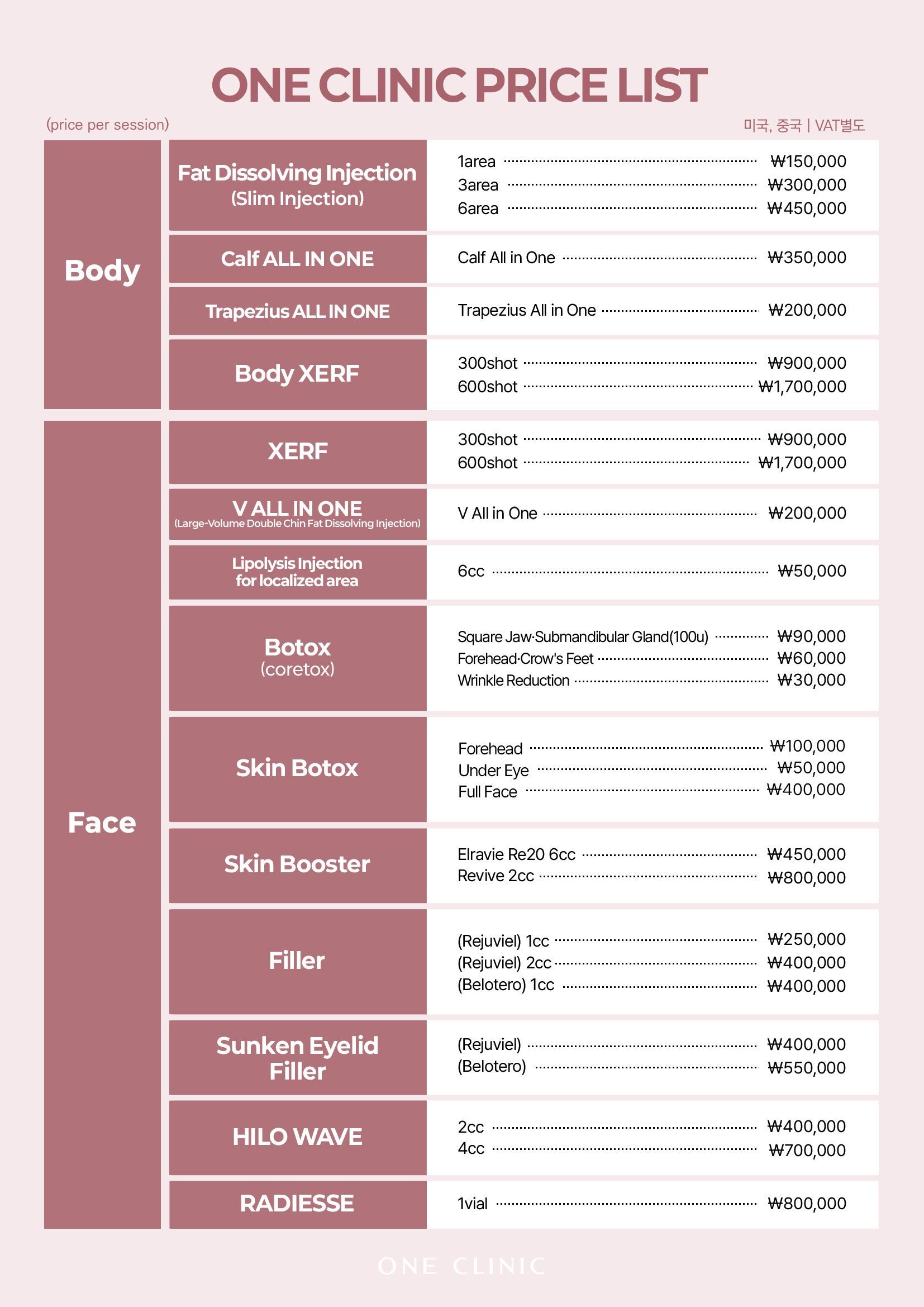
- Considering skin booster treatments for appropriate candidates
A consistent skincare routine can help improve hydration over time.
How to Care for Dry Skin
Managing dry skin involves replacing lost oils and protecting the skin barrier.
Recommended habits include:
- Using rich moisturizing creams
- Choosing gentle cleansers
- Avoiding overly hot showers
- Applying moisturizer immediately after cleansing
- Using sunscreen every day
Daily care is essential for maintaining comfort and skin health.
Can Professional Treatments Help?
Professional treatments may improve skin quality depending on the underlying concern.
Options include:
- Skin boosters for improving hydration
- Aqua Peel for gentle exfoliation and moisture support
- Hydrating facials
- Laser treatments for overall skin rejuvenation
A consultation can help determine which treatment is most appropriate.
Final thoughts
Although dehydrated skin and dry skin may appear similar, they have different causes and require different treatment approaches. Dehydrated skin is a temporary lack of water that can affect any skin type, while dry skin is a long-term skin type characterized by insufficient natural oils. Understanding the difference allows you to choose the right skincare products, healthy lifestyle habits, and professional treatments to achieve healthier, smoother, and more comfortable skin.