Best Treatments for Skin Recovery After Sun Exposure

Best Treatments for Skin Recovery After Sun Exposure
Excessive sun exposure can leave the skin feeling dry, irritated, and more sensitive than usual. Ultraviolet (UV) rays may also contribute to pigmentation, collagen breakdown, and premature skin aging over time. After sun exposure, the primary goals are to calm the skin, restore hydration, support the skin barrier, and address any long-term damage with appropriate treatments. The best approach depends on the severity of sun exposure and your individual skin condition.
Hydrating Facials
Hydrating facials help replenish moisture after prolonged sun exposure.
They may help:
- Restore skin hydration
- Soothe dry skin
- Improve skin softness
- Refresh tired-looking skin
- Support the skin barrier
These treatments are often recommended once any acute sunburn has settled.
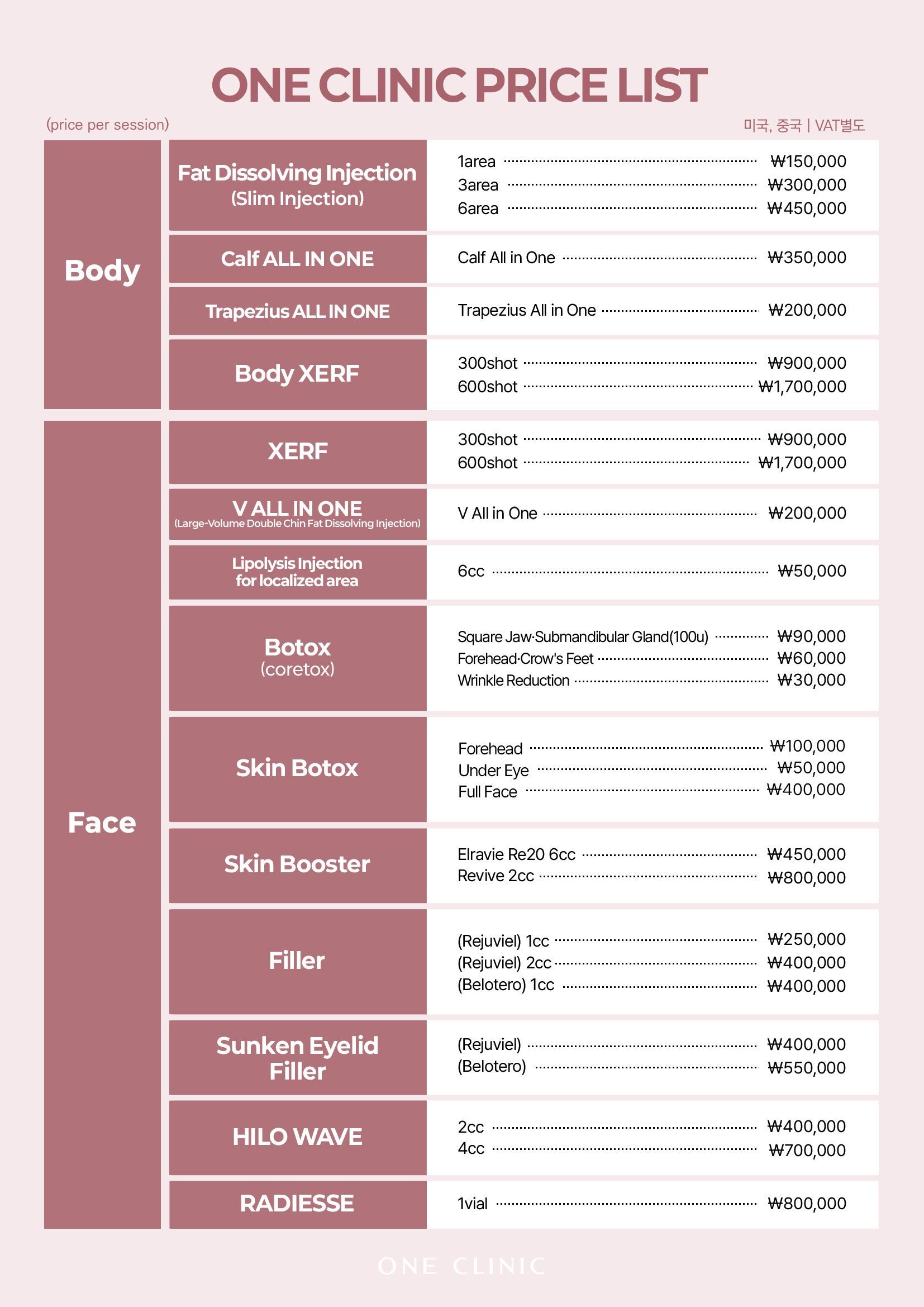
Skin Booster Injections
Skin boosters improve overall skin quality through deep hydration.
They may help:
- Increase skin hydration
- Improve skin elasticity
- Enhance skin texture
- Smooth fine lines
- Promote a healthier-looking complexion
Treatment is generally recommended after the skin has fully recovered from any active sunburn.
LED Light Therapy
LED light therapy is a gentle, non-invasive treatment that can support skin recovery.
Potential benefits include:
- Calming temporary redness
- Supporting the skin's natural healing process
- Reducing irritation
- Complementing other skin treatments
It is suitable for many skin types with minimal to no downtime.
Laser Rejuvenation Treatments
Laser treatments may be recommended for long-term sun damage rather than immediate recovery.
They can help:
- Improve pigmentation
- Enhance skin texture
- Stimulate collagen production
- Reduce signs of photoaging
- Promote skin renewal
These treatments should only be performed after the skin has completely healed from recent sun exposure.
Chemical Peels
Chemical peels can improve uneven skin tone caused by previous sun damage.
They may help:
- Brighten the complexion
- Reduce superficial pigmentation
- Smooth rough skin
- Improve overall skin texture
Peels should not be performed on freshly sunburned or actively irritated skin.
Daily Skincare for Sun Recovery
A gentle skincare routine is essential while the skin heals.
Recommended steps include:
- Using a mild cleanser
- Applying a fragrance-free moisturizer
- Using soothing skincare products
- Avoiding harsh exfoliants
- Wearing broad-spectrum sunscreen every day
Protecting the skin during recovery helps prevent further damage.
When to Delay Professional Treatments
It is important to allow the skin to recover before undergoing aesthetic procedures.
You should postpone treatment if you have:
- Active sunburn
- Blistering
- Significant redness
- Peeling skin
- Skin tenderness
Your healthcare provider can advise when it is safe to begin treatment.
Preventing Future Sun Damage
Long-term skin health depends on consistent sun protection.
Helpful habits include:
- Applying sunscreen daily
- Reapplying sunscreen outdoors
- Wearing protective clothing
- Seeking shade during peak sunlight hours
- Wearing hats and sunglasses
Preventing additional UV exposure helps maintain treatment results.
Final thoughts
Recovering from sun exposure begins with restoring hydration, calming the skin, and protecting the skin barrier. Once the skin has fully healed, treatments such as skin boosters, hydrating facials, LED light therapy, laser rejuvenation, and chemical peels can help address lingering dryness, pigmentation, and early signs of sun damage. Combined with consistent sun protection and a gentle skincare routine, these treatments can support healthier, brighter, and more resilient skin over the long term.