Anti-Inflammatory Treatments for Sensitive Skin

Anti-Inflammatory Treatments for Sensitive Skin
Sensitive skin is more likely to react to environmental triggers, skincare products, and weather changes, often leading to redness, irritation, and discomfort. Reducing inflammation is an important part of improving skin health and strengthening the skin barrier. A combination of gentle skincare, healthy lifestyle habits, and appropriate professional treatments can help calm sensitive skin while minimizing future flare-ups.
What Causes Skin Inflammation?
Sensitive skin can become inflamed for many reasons.
Common triggers include:
- Harsh skincare products
- Excessive sun exposure
- Air pollution
- Weather changes
- Allergies or skin sensitivities
- Over-exfoliation
- Stress
Identifying and avoiding triggers is an important part of treatment.
LED Light Therapy
LED light therapy is a gentle treatment commonly used to support sensitive skin.
It may help:
- Calm temporary redness
- Reduce visible irritation
- Support the skin's natural healing process
- Complement other skincare treatments
Because it is non-invasive, it is often suitable for sensitive skin types.
Hydrating Facials
Hydrating facials help restore moisture while supporting the skin barrier.
Potential benefits include:
- Improving skin hydration
- Relieving tightness
- Softening dry skin
- Refreshing the complexion
- Supporting overall skin comfort
Gentle formulations are typically preferred for sensitive skin.
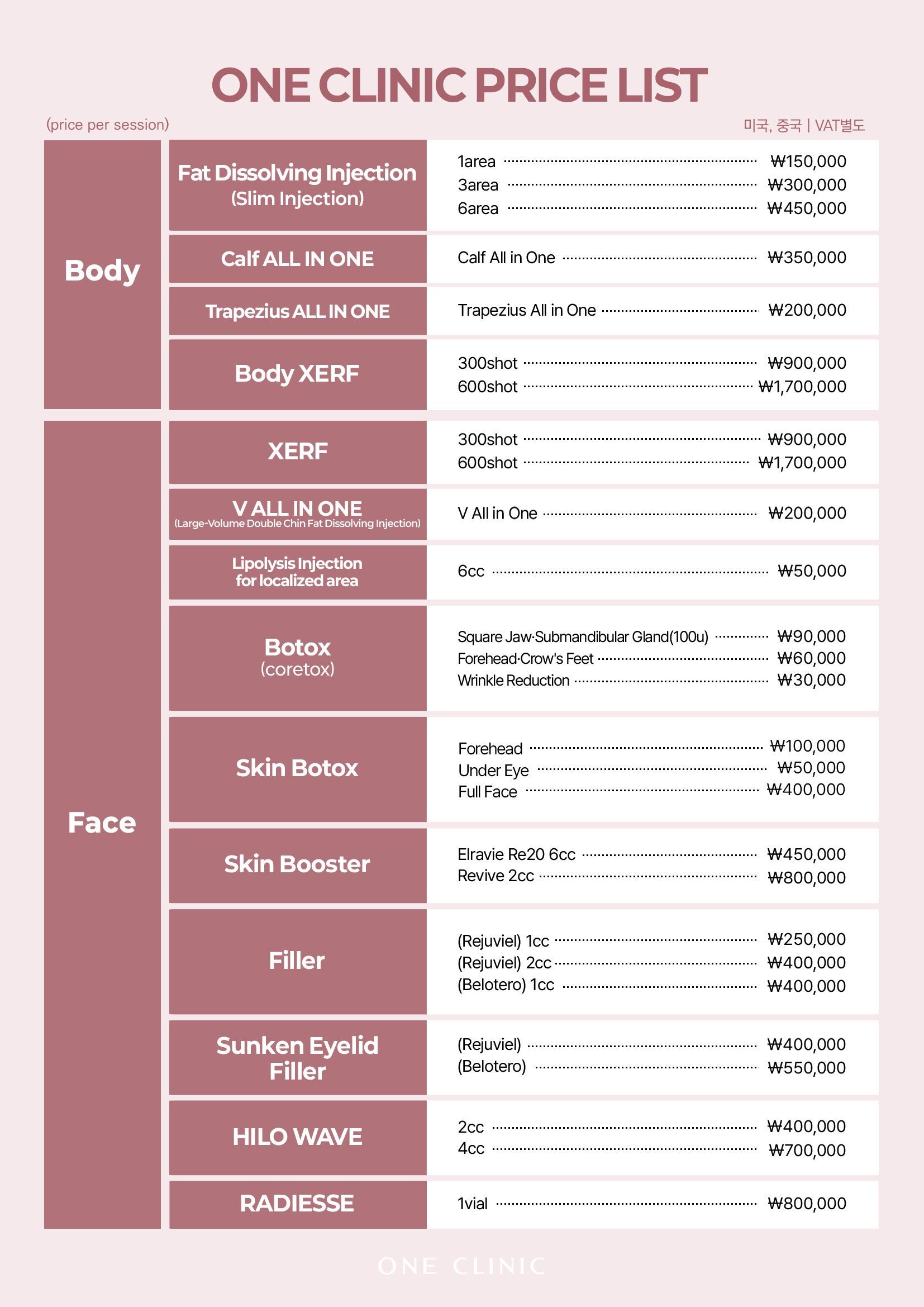
Skin Booster Injections
Certain skin booster treatments may improve skin hydration and overall skin quality.
They may help:
- Increase moisture levels
- Improve skin texture
- Enhance skin elasticity
- Support a healthier skin barrier
Treatment should only be performed after a professional assessment, particularly for patients with highly reactive skin.
Barrier Repair Skincare
Daily skincare plays an essential role in reducing inflammation.
Helpful products often include:
- Gentle cleansers
- Fragrance-free moisturizers
- Ceramide-containing creams
- Hyaluronic acid moisturizers
- Broad-spectrum sunscreen
Maintaining the skin barrier helps reduce irritation over time.
Treatments to Avoid During Active Irritation
Some procedures may worsen inflammation if the skin is already irritated.
These may include:
- Strong chemical peels
- Aggressive laser treatments
- Deep exfoliation
- Harsh scrubs
Professional treatments should generally be postponed until the skin has recovered.
Lifestyle Habits That Support Calm Skin
Healthy daily habits can reduce inflammation and improve skin resilience.
Helpful practices include:
- Avoiding excessive sun exposure
- Drinking enough water
- Getting adequate sleep
- Managing stress
- Using lukewarm rather than hot water when washing your face
- Introducing new skincare products gradually
Consistency is important for long-term skin health.
When to See a Professional
Persistent skin sensitivity should be evaluated by a qualified healthcare professional.
You should seek professional advice if you experience:
- Ongoing redness
- Frequent skin irritation
- Burning or stinging sensations
- Persistent itching
- Recurrent skin flare-ups
A professional assessment helps identify underlying skin conditions and appropriate treatment options.
Final thoughts
Managing sensitive skin begins with reducing inflammation, protecting the skin barrier, and avoiding unnecessary irritation. Gentle treatments such as LED light therapy, hydrating facials, carefully selected skin boosters, and barrier-supporting skincare can help improve overall skin comfort and appearance when used appropriately. Combined with healthy lifestyle habits and professional guidance, these approaches can support calmer, healthier, and more resilient skin over time.